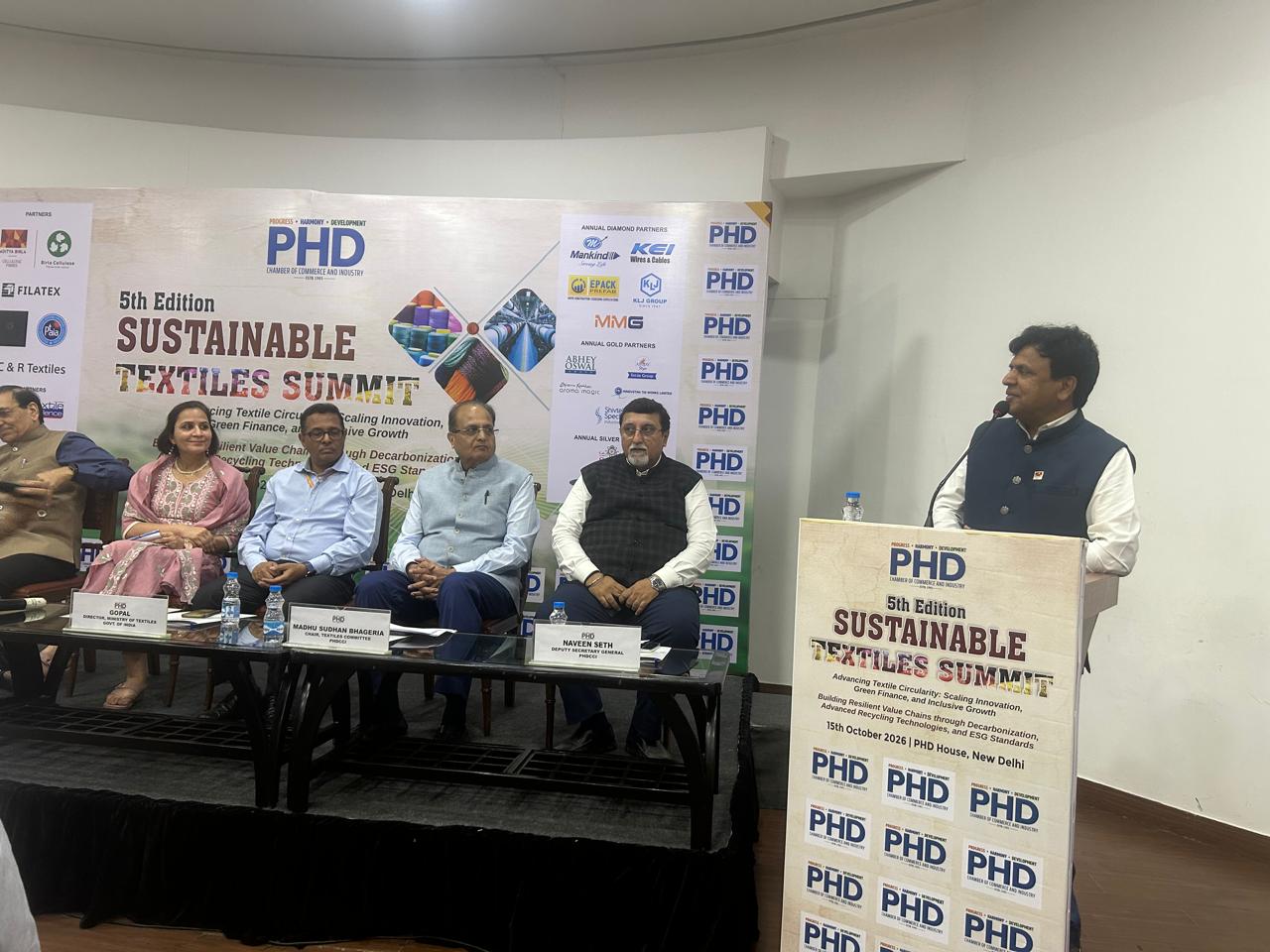
Key Takeaways from the Address Sustainability as a License to Operate: Sustainability is no longer an option or a cost burden; it is a fundamental "license to operate." Responsible practices drive long-term process efficiencies, energy savings, and cost reductions across large-scale manufacturing operations.
Responsible Sourcing & Circularity Metrics: Grasim continues to lead in responsible wood pulp sourcing via FSC-certified forests and closed-loop manufacturing technologies—achieving up to 99.9% solvent recovery in modal and lyocell production, while dramatically reducing water consumption compared to traditional natural fibers.
Traceability and Global Brand Compliance: With global brands demanding end-to-end supply chain transparency, digital traceability platforms enable complete tracking from forest origins to finished garments, guaranteeing regulatory compliance and authenticity for international markets.
Decarbonization & Renewable Energy Transitions: Achieving ambitious net-zero targets requires substantial investments in renewable energy, circular economy initiatives, and continuous technological upgrades in fiber processing to lower the overall carbon footprint of cellulosic textiles.
Quote Highlight:
"Sustainability is not merely an added cost—it is a license to operate. In the long run, responsible manufacturing and resource recovery create significant operational efficiency and long-term enterprise value."
— Murugan Thenkondar, President – Cellulose Fibres, Grasim Industries Limited
Conversation
Industry notes
No notes yet. Add the first perspective from the industry.